
Parenting an autistic child comes with unique challenges — and one of the most common is anger management in autistic children. Emotional outbursts, meltdowns, and frustration can be intense, but with the right strategies, parents can turn these moments into opportunities for calm and deeper connection.
Parenting an autistic child can feel like sailing through sudden storms — sometimes the waves are small, and other times they rise without warning. You’ve been there: the tears, the shouts, the quiet withdrawal. And in those moments, one thought runs through your mind — “How can I help my child feel safe again?”
The good news is, with the right tools and understanding, those overwhelming moments can become opportunities for calm, connection, and growth.
If you’ve ever held your child through a storm of tears, screams, or silence, wondering how to help — you’re not alone. For parents of autistic children, these moments can feel overwhelming. But with the right understanding and tools, you can turn those storms into moments of connection.
Anger is a natural part of life — we all experience it. But if you’re a parent of an autistic child, you might notice that anger and frustration show up more often, and more intensely, than you expect. Then You can think How to do Anger Management in Autistic Children.
Children, in general, are more prone to emotional outbursts than adults. They crave attention from the people. around them, and when they feel ignored or misunderstood, it can quickly escalate into an angry reaction. For autistic children, this is even more complex. Communication challenges, sensory sensitivities, and social difficulties often amplify their frustration.
Before we talk about solutions, we must understand why these emotional storms happen. Once we know the root causes, we can respond with empathy and effective strategies.
Why Anger Management in Autistic Children Matters
-
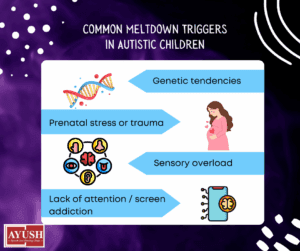
Genetics: The Family Connection
Just as eye color or hair type is passed down through generations, emotional tendencies can also be inherited. While a parent may appear calm, traits like a quick temper or emotional sensitivity can resurface in later generations.
-
Prenatal and Early-Life Influences
The journey begins even before birth. Several factors during pregnancy can impact a child’s emotional development:
- Medication side effects – Certain medicines taken during pregnancy may influence fetal brain development.
- Mother’s emotional state – A mother’s mental and physical health deeply affects her baby. The fetal brain is shaped by what it hears, feels, and experiences through the mother’s body. If a pregnant woman experiences prolonged stress or sadness, the effects may later emerge as heightened emotional reactivity in her child.
- Trauma in early childhood – By ages one, five, or six, children may already face serious emotional wounds. Exposure to domestic violence, physical or emotional abuse, or even sexual abuse can leave deep scars, making them more prone to anger, fear, and frustration as they grow.
-
Lack of Attention and Overexposure to Screens
From birth, children need love, attention, and emotional connection from their caregivers. But in our busy, work-driven lives, many parents struggle to spend enough time with their children. Studies have shown that excessive screen time can overstimulate a child’s developing brain, reducing their ability to self-regulate emotions. For autistic children, this impact can be even greater, as digital overexposure may heighten sensory overload and delay coping skill development.
- To fill the gap, some hand over mobile phones or tablets as “digital babysitters.” Over time, screen use increases, creating a dependency. Children build imaginary worlds online, and when the device is taken away, they may feel unsafe, anxious, and even desperate — reacting with screaming, throwing objects, or self-harming behaviors.
Understanding and Managing Meltdowns
Autistic children often prefer routines and familiar activities. Any disruption can feel overwhelming. Tantrums or meltdowns are not simply “bad behavior” — they’re a communication tool. Your child is telling you, “Something is too much for me right now.”
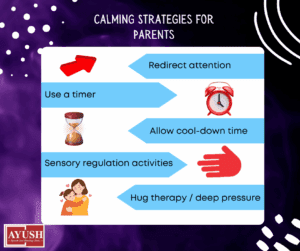
Here are practical, parent-tested strategies to help:
- Redirect their attention – Gently shift focus to a calmer, more engaging activity. This helps break the cycle of overwhelming thoughts.
- Use a timer – Give them a sense of control by knowing when an activity will end. Predictability reduces anxiety.
- Allow “cool-down” time – Don’t rush the process; let them release their feelings safely.
- Support sensory regulation – Identify sensory triggers (loud noises, bright lights) and minimize them.
- Offer a firm, reassuring hold – Sometimes, a safe, secure hug can help them feel grounded.
- Early therapy intervention – Address emotional regulation challenges before they intensify.
Guide for Parents: Understanding & Handling Meltdowns
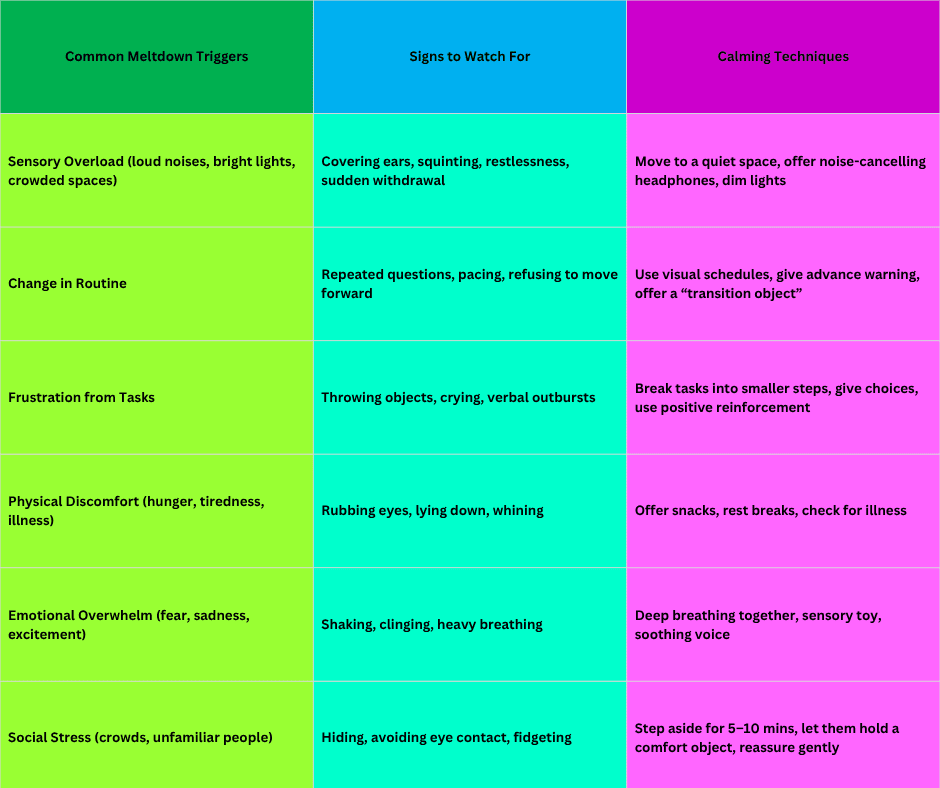
Purpose: Help you quickly identify triggers, respond calmly, and guide your child back to regulation.
Below is a color-coded quick reference chart you can print and keep handy at home or in your child’s school bag for teachers and caregivers.
Quick Reference Chart
When to Step Back, and When to Step In
As long as your child isn’t harming themselves or others, it’s okay to let the meltdown run its course. However, keep in mind:
- Anger can sometimes mask pain.
- Every outburst has a cause — observe closely to understand triggers.
- Loud cries or aggressive actions may be their way of calling for help.
If your child starts to hurt themselves — hitting, throwing toys, or banging furniture — that’s when clear, calm limits are essential. Hold them in a safe, secure way that prevents injury but still communicates comfort. Your own calmness is key — children mirror our emotional state.
Remember, you’re not ‘letting them win’ by giving space — you’re giving their nervous system the room it needs to return to balance.
Final Thoughts: Patience, Presence, and Understanding
Managing anger in autistic children isn’t about “stopping bad behavior” — it’s about decoding their emotional language. Every tantrum is a clue. When we respond with patience, empathy, and consistent boundaries, we help our children feel safe enough to regulate their emotions.
Remember: Your calm is their calm. The more you learn to read between the lines of their behavior, the better you can guide them toward emotional stability and the stronger your bond will grow.
Therapist’s Corner – Simple Steps to Support Your Child’s Speech at Home
(Perfect for parents to try in daily life)
Think of these as small, everyday habits that can make a big difference in your child’s communication – no special equipment, just your time and presence.
- Talk More, Talk Often
Speak slowly and clearly, naming things as you go about the day. - Read Together Every Day
Point to pictures, describe them, and ask your child questions. - Give Time to Respond
Wait patiently after asking a question – avoid rushing their answer. - Use Songs & Rhymes
Music and rhythm make language fun and easier to remember. - Encourage Choices
Offer options like “Do you want an apple or banana?” so they practice words. - Repeat & Expand
If your child says “car,” you can say “Yes, a big red car.” - Play Face-to-Face
Get down to their level so they can see your mouth and expressions. - Praise Every Effort
Celebrate attempts, even if the words aren’t perfect yet.
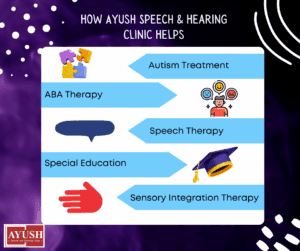
How Ayush Speech and Hearing Clinic Can Help Your Child Thrive
In the journey of raising a child with autism or speech and hearing challenges, home strategies are a powerful start, but sometimes, you need specialised guidance, advanced tools, and professional hands to unlock real progress.
That’s where Ayush Speech and Hearing Clinic comes in.
At Ayush, we understand that behind every therapy session is a parent’s silent prayer: “I just want my child to be understood.”
We turn that hope into a structured plan, tailored to your child’s unique needs.
Our Services – Tailored for Real Results
- Speech Therapy for Children & Adults
Personalised programs to improve clarity, pronunciation, fluency, and confidence in speaking.
- Hearing Tests & Hearing Aids
Advanced hearing assessments and world-class hearing aids to bring back the joy of sound.
- Occupational Therapy
Enhancing motor skills, focus, and independence so your child can handle everyday tasks with ease.
- Language Development & Communication Skills
From first words to expressive conversation, we guide your child step-by-step in a way that’s engaging and fun.
- Parent Training & Home Support Plans
Because therapy doesn’t stop at the clinic door — we empower parents to continue progress at home.
Autism Treatment & ABA Therapy
We create structured, fun, and goal-driven ABA sessions to help children with autism improve communication, behaviour, and daily skills.
Our Autism Treatment programs are tailored to meet the unique needs of each child. We focus on improving communication skills, social interaction, and daily living abilities through evidence-based approaches. With early diagnosis and consistent support, children can make significant progress in learning, adapting, and thriving in their environment.
ABA Therapy (Applied Behavior Analysis)
ABA Therapy (Applied Behavior Analysis) is one of the most effective methods for supporting children with developmental delays, particularly autism. Our trained therapists use positive reinforcement to encourage desired behaviors and reduce challenging ones. This structured, goal-oriented approach helps children improve communication, focus, social skills, and independence.
Special Education Support
Our expert educators adapt learning techniques to your child’s needs, making schoolwork easier and boosting confidence.
Our Special Education services are designed for children who require individualized learning plans to meet their academic and developmental goals. We work closely with families and schools to create personalized strategies that address each child’s strengths and challenges, ensuring they reach their full potential in a supportive learning environment.
Sensory Integration Therapy
For children sensitive to touch, sound, or movement, we help them feel comfortable and in control of their world.
Sensory Disorder Therapy helps children who struggle with processing sensory information such as touch, sound, light, taste, or movement. Through engaging, play-based activities, we help them build better sensory integration, improve motor skills, and develop the ability to participate more comfortably in everyday life.
Our Presence Across India
We proudly serve families through our branches in various cities in Punjab, Dhanbad and Kolkata:
Kolkata – Your Neighbourhood Support
Address: 81, Sarthak Apartment, Rajdanga Main Road, Near Acropolis Mall, Nabapally, Bosepukur Purbapara, Rajdanga, Kasba, Kolkata – 700107, India
Phone: +91 90386 90692
Our Kolkata team brings together expert speech therapists, audiologists, and occupational therapists — all under one roof. Whether it’s your child’s first assessment or an ongoing therapy plan, we make sure you feel supported every step of the way.
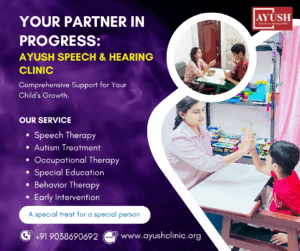
Why Parents Choose Ayush Speech and Hearing Clinic
- Decades of combined clinical experience
- Child-friendly, warm, and safe therapy environment
- Proven progress tracking methods
- Holistic approach — addressing speech, hearing, and emotional needs together
Your Next Step Starts Today
Every day we wait is a day we can’t get back. The sooner we start, the sooner your child can gain confidence, find their voice, and connect with the world in their own unique way.
Call us now at +91 90386 90692
Visit: ayushclinic.org
Drop by our Kolkata branch and take the first step toward giving your child the gift of voice, confidence, and connection.
Ayush Speech and Hearing Clinic – Because every child deserves to be heard.
Your child’s voice matters. Their confidence matters. And every day counts. Let’s start this journey together — because tomorrow can be brighter than today.
Read Our Other Blogs too.
Every Moment Counts: Why Early Intervention for Autism Builds a Brighter Future
Sensory Behaviours in Children – कैसे संभालें Hitting, Pinching और Slapping जैसी आदतें?
इंटेलेक्चुअल डिसेबिलिटी (Intellectual Disability) क्या है: लक्षण, कारण और इलाज | पैरेंट्स गाइड 2025